
Beginner’s Guide to Operating a Mini Skid Steer Safely
Compact utility equipment has completely transformed how modern contractors approach tight workspaces and demanding property improvements. Among these versatile machines, the mini skid steer stands out as an indispensable asset for landscaping, trenching, and material handling. However, the compact size of these machines frequently creates a deceptive sense of security for new operators. Just because a piece of heavy equipment can fit through a standard backyard gate does not mean it operates without significant risk. Operating a mini skid steer requires a deep understanding of machine dynamics, load balancing, and spatial awareness. When untrained operators step onto the platform, they expose the crew to serious safety hazards and put expensive capital assets at risk of severe damage.
Establishing a culture of safety and precision from the very first hour of operation is a strategic imperative for any construction business owner. When you treat equipment training as an exact, engineered discipline, you empower your workforce to deliver premium results without compromising on safety or efficiency. This comprehensive guide details the essential principles for operating a mini skid steer safely. We will explore critical concepts ranging from pre-operation inspections and fluid control mastery to rigorous load handling and terrain assessment. By mastering these foundational steps, you guarantee superior project outcomes, protect your valuable machinery from premature wear, and establish your business as a trusted, reliable force in the industry. The journey to flawless operation always begins before the engine is ever started.
Conducting a Rigorous Pre-Operation Inspection
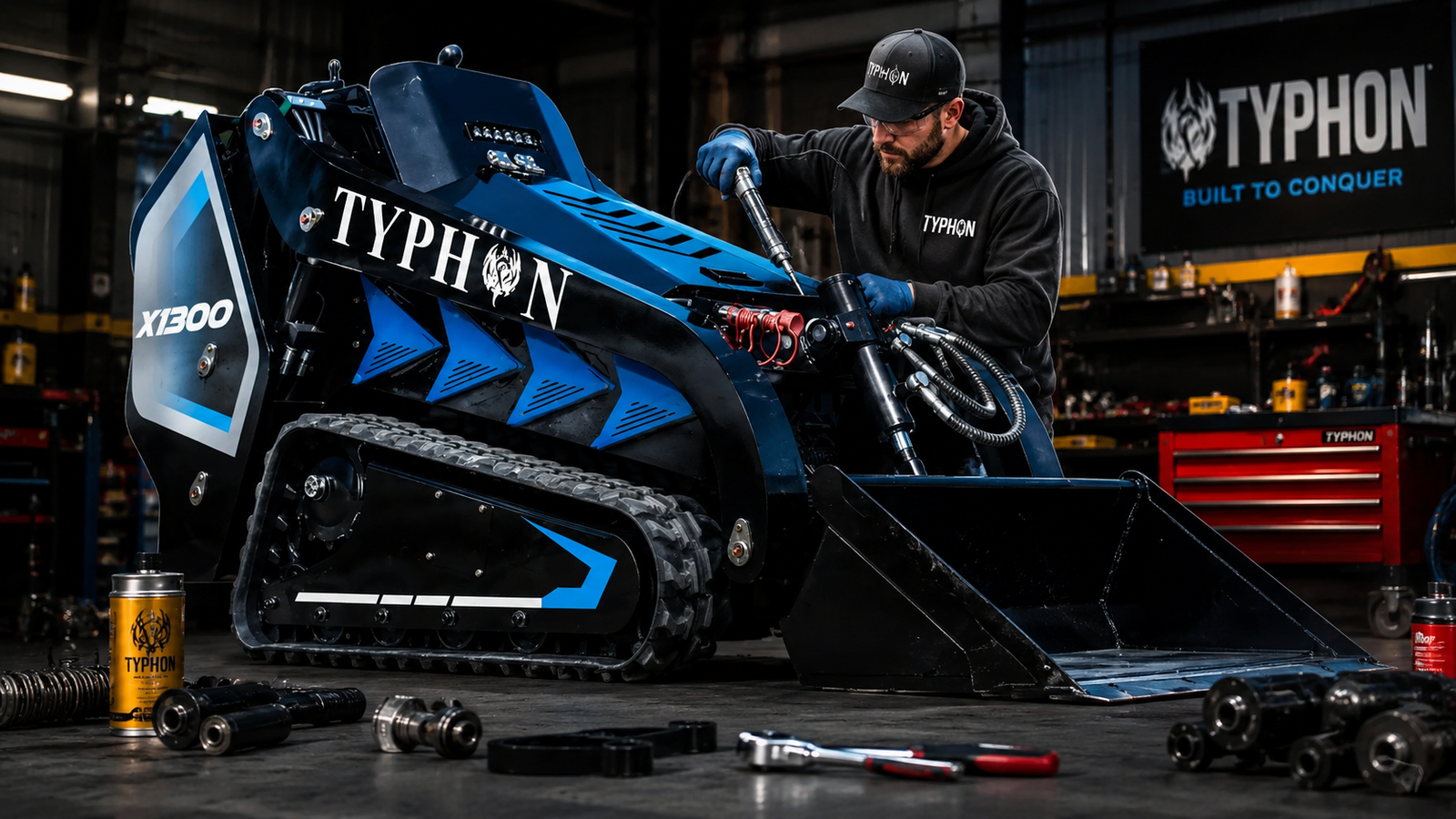
The foundation of heavy equipment safety relies entirely on the mechanical integrity of the machine before it enters the active work zone. Every successful shift begins with a comprehensive understanding of the skid steer’s physical condition. A compact utility loader operates under immense hydraulic pressure and severe mechanical stress, moving heavy materials through unforgiving environments. The primary problem arises when rushed operators skip their morning walk-around, assuming the machine is perfectly fine simply because it ran well the day before. Ignoring this vital step allows minor leaks, frayed hydraulic hoses, or loose track tension to go unnoticed. Once the machine is put under a heavy working load, these minor issues rapidly escalate into catastrophic mechanical failures, potentially spraying high-pressure hydraulic fluid or throwing a track while carrying a heavy load.
The definitive solution requires implementing a strict, systematic pre-operation inspection protocol at the start of every single shift. Operators must visually inspect the entire machine, checking the engine oil, hydraulic fluid levels, and coolant to ensure all vital systems are properly lubricated and pressurized. The tracks or tires must be examined for proper tension, severe cuts, or embedded debris that could compromise traction. Furthermore, the operator must scrutinize all pivot points, greasing dry fittings to prevent destructive metal-on-metal friction. Checking the safety interlocks, control neutral positions, and operator platform ensures the machine will behave exactly as intended the moment the key is turned.
Committing to rigorous pre-operation inspections delivers an immediate and lasting impact on your operational efficiency and overall equipment protection. Identifying a worn hydraulic hose before it bursts saves your company from expensive emergency repairs, hazardous environmental cleanups, and hours of lost jobsite productivity. This proactive maintenance approach drastically reduces your total cost of ownership, keeping your fleet operational and out of the repair shop. When operators know their machine is in pristine condition, they work with absolute confidence, setting the perfect stage for mastering the actual controls.
Mastering Machine Controls and Capabilities
Stepping onto the platform of a mini skid steer introduces the operator to a highly responsive, hydraulically driven control system. These machines are designed to deliver massive breakout force and rapid maneuverability in exceptionally tight spaces. A major limitation for beginners is the tendency to overcorrect or apply sudden, jerky inputs to the joysticks. Because mini skid steers possess a short wheelbase and a high center of gravity, aggressive steering or sudden braking immediately destabilizes the entire machine. When an inexperienced operator yanks the drive controls in a panic, the machine bucks violently, throwing the operator off balance and creating a highly dangerous scenario for any ground personnel working nearby.
Preventing this erratic behavior requires the operator to develop a deep, physical understanding of fluid control operation. Beginners must start in a wide, open area completely free of obstacles, personnel, and drop-offs to practice feathering the joysticks. Feathering involves making incredibly small, smooth adjustments to the controls, allowing the hydraulic valves to open gradually rather than slamming fully open. Operators must learn to blend their travel speed with their loader arm movements, ensuring that stopping, starting, and turning become seamless, predictable actions. Mastering this finesse is critical, as the operator’s body positioning on the stand-on platform must act in harmony with the machine’s momentum to maintain absolute balance.
Developing this precise control mastery directly secures operator safety and significantly boosts overall jobsite efficiency. A smooth operator drastically reduces the structural shock transmitted through the loader arms and undercarriage, prolonging the life of expensive hydraulic pumps and drive motors. Furthermore, smooth operation prevents material spillage, ensuring that loads of soil or gravel arrive exactly where they are needed without requiring secondary manual cleanup by the ground crew. This level of precise movement naturally translates into how effectively the machine interacts with its various working implements.
Managing Attachments with Absolute Precision
The true value of a mini skid steer lies in its incredible versatility, driven by a massive ecosystem of specialized hydraulic attachments. A single machine can transform from a standard dirt bucket to a sophisticated trencher, auger, or hydraulic breaker in a matter of minutes. However, this versatility introduces a significant risk when attachments are improperly managed. A frequent and highly destructive mistake occurs when operators fail to securely lock an attachment to the machine’s mounting plate. If the locking pins do not fully engage the bottom of the implement, the attachment will inevitably detach while suspended in the air. Dropping a heavy grapple or trencher unexpectedly instantly destroys the attachment, damages the machine’s loader arms, and creates a lethal crushing hazard for anyone standing in the vicinity.
The solution demands absolute vigilance and a methodical approach to attachment integration. Operators must ensure the mounting plate is completely free of compacted mud or gravel before driving into an attachment. Once the implement is lifted slightly off the ground, the operator must physically exit the platform and visually verify that both locking pins have driven fully through the attachment’s securing slots. Furthermore, when dealing with hydraulically powered attachments, the operator must clean the quick-disconnect couplers before joining them to prevent highly abrasive dirt from entering the sterile hydraulic system. Routing the auxiliary hoses safely away from pinch points prevents them from being sheared off during operation.
Managing attachments correctly provides a massive return on investment by maximizing productivity and strictly controlling replacement costs. Ensuring attachments are securely locked and hydraulically pristine protects your expensive capital investments from catastrophic drops and internal hydraulic contamination. For the construction business owner, eliminating these completely preventable accidents keeps project timelines moving forward efficiently and safeguards the company’s reputation for jobsite safety. With the machine fully prepped and the attachment secured, the operator must then evaluate the ground they are about to traverse.
Assessing Terrain and Navigating Hazards
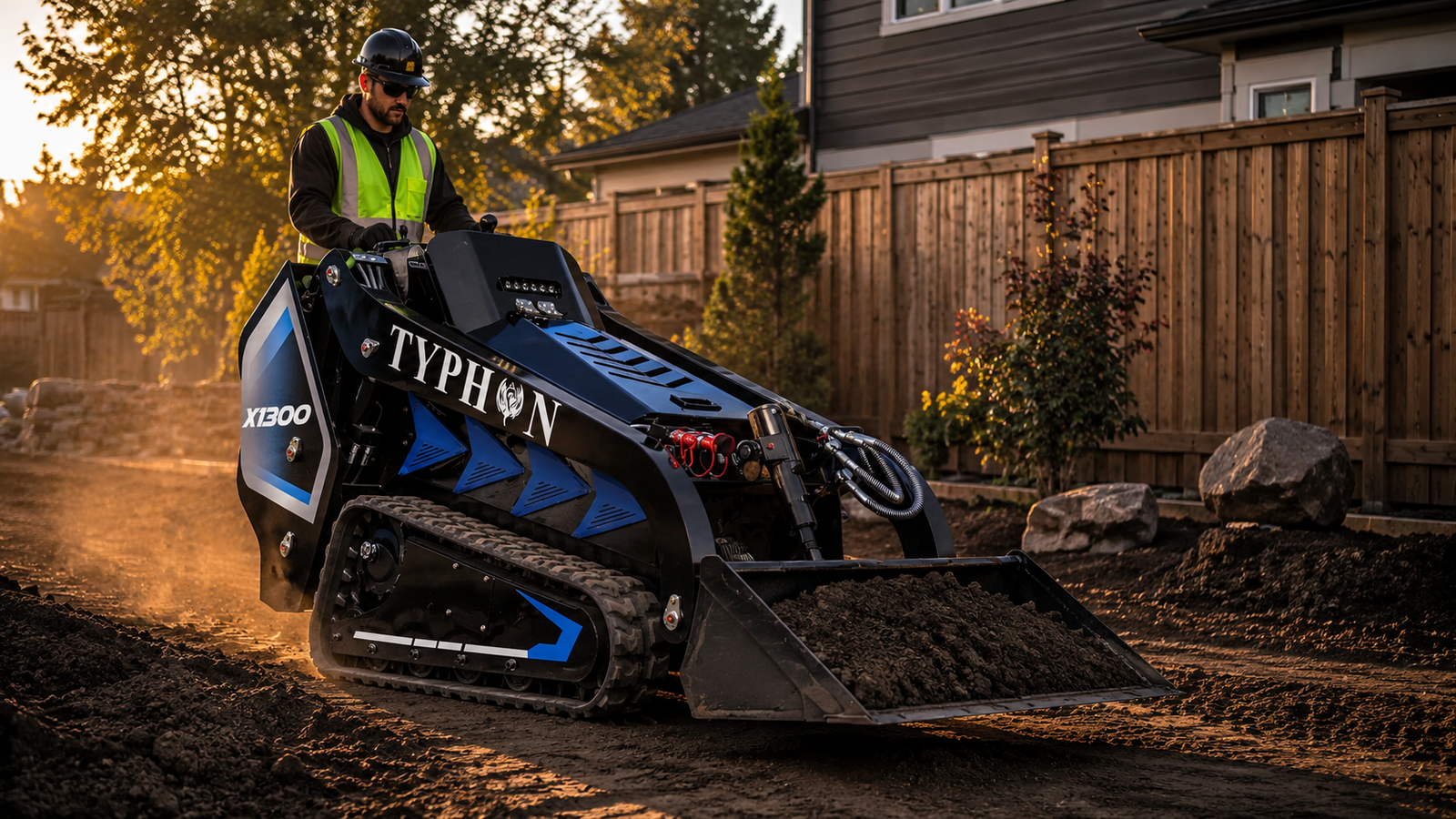
Moving a mini skid steer across a chaotic, ever-changing construction site requires constant situational awareness and environmental assessment. Unlike large, heavy excavators with massive footprints, the narrow stance of a mini skid steer makes it highly susceptible to the physical contours of the ground. The most critical problem operators face is navigating severe slopes, deep ruts, or unexpectedly soft soil. When an operator drives a loaded machine sideways across a steep incline, the center of gravity shifts dramatically beyond the width of the tracks. This lateral imbalance inevitably leads to a rapid, terrifying rollover event, violently throwing the operator from the platform and completely destroying the equipment.
Preventing rollover accidents requires operators to rigorously assess the terrain before moving any material. Supervisors and operators must walk the working path, identifying hidden sinkholes, sharp drop-offs, and muddy areas that lack the bearing capacity to support the heavy machine. When navigating slopes is absolutely unavoidable, operators must adhere strictly to the rule of always keeping the heavy end of the machine pointed uphill. If the bucket is empty, the rear of the machine containing the heavy engine block is the heaviest point, meaning the operator must back up the hill. If the bucket is heavily loaded with dense material, the front becomes the heaviest point, dictating that the machine must be driven forward up the incline.
Implementing strict terrain assessment protocols transforms the safety profile of the project and heavily protects your operational bottom line. By refusing to operate in highly compromised or unstable areas, you completely eliminate the devastating financial and human costs associated with machine rollovers. A well-assessed route allows the operator to maintain a steady, predictable travel speed, moving materials seamlessly without getting hopelessly stuck in the mud. Securing this stable travel path allows the operator to focus entirely on the heavy lifting required to complete the job.
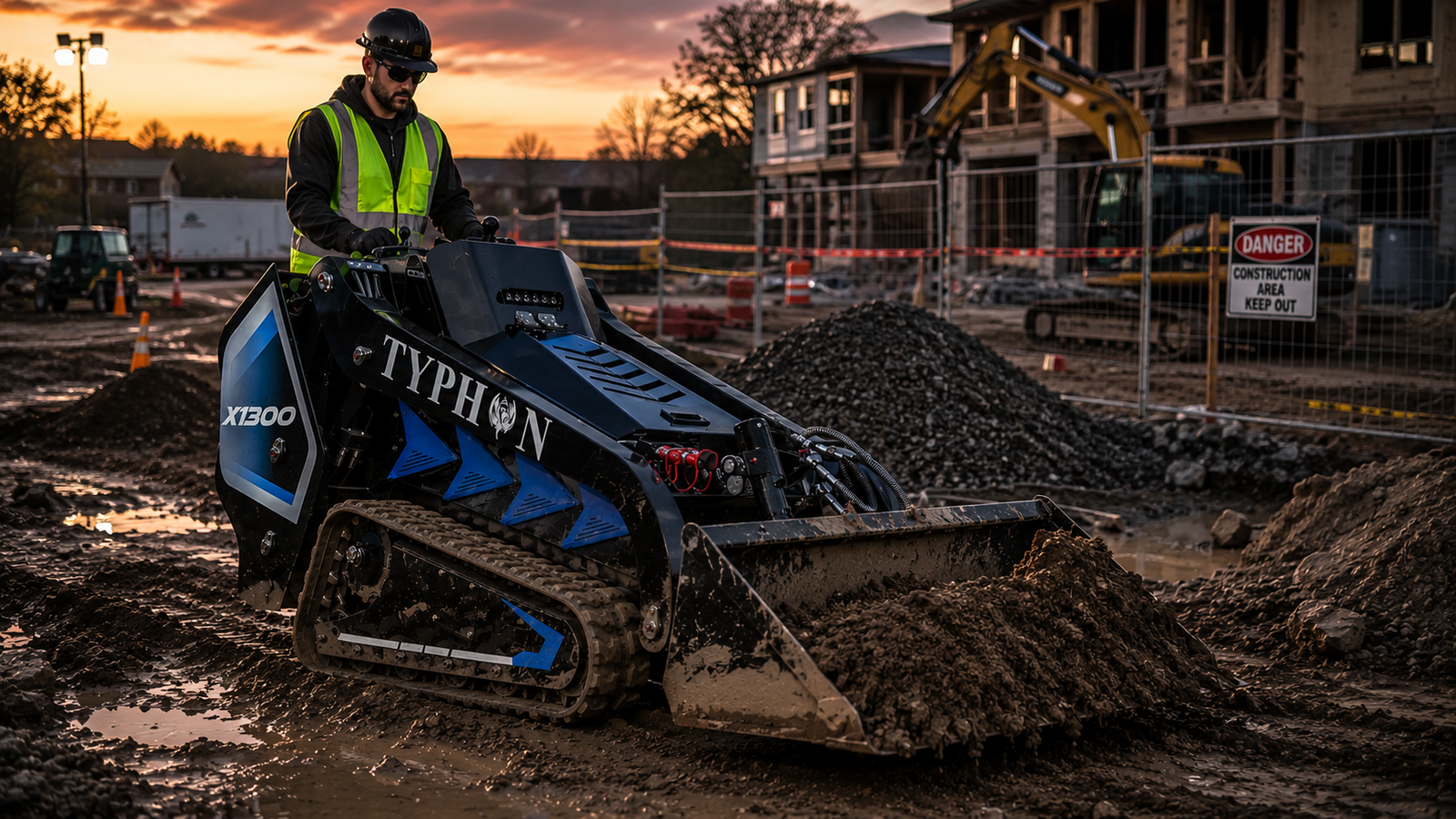
Executing Safe Load Handling and Transport
The primary function of a mini skid steer is to lift, carry, and place heavy materials that would otherwise exhaust a manual labor crew. However, the immense hydraulic lifting capacity of these machines often exceeds their physical tipping load if the operator does not respect the laws of physics. A major limitation for beginners is the dangerous habit of carrying heavy loads high in the air while traveling across the site. Elevating a heavy bucket of wet concrete or dense gravel raises the machine’s center of gravity drastically. If the operator hits a small bump, turns the steering controls abruptly, or stops too fast while the load is elevated, the machine will violently tip forward, dumping the material and violently launching the operator off the rear platform.
The professional standard requires strict adherence to safe load handling and low-profile transport techniques. Operators must understand the specific rated operating capacity of their exact machine model, ensuring they never attempt to lift materials that exceed this engineered limit. When transporting a load from a stockpile to the work area, the operator must keep the bucket rolled back and lowered as close to the ground as physically possible, typically hovering just a few inches above the dirt. The loader arms should only be raised at the exact moment the machine has reached the stable dumping location and is completely stopped.
Adhering strictly to low-profile transport guarantees exceptional jobsite safety and directly protects the contractor’s profit margins. A machine carrying its load low remains incredibly stable, easily absorbing ground shocks without pitching or tipping. This stability prevents expensive material spills that require costly manual rework, allowing your crews to maintain a highly productive operational rhythm. By eliminating the risk of forward tip-overs, you protect both the operator and the structural integrity of the loader arm pivot points. When the heavy lifting is finally complete, the operator must secure the machine correctly.
Implementing Proper Shutdown and Securing Procedures
The transition from active material handling to the end of the shift requires a deliberate, engineered approach to securing the equipment. Construction crews are naturally eager to head home after a long, exhausting day in the elements, frequently rushing the final moments of their work. However, hastily abandoning a mini skid steer creates immediate hazards and guarantees long-term mechanical degradation. Leaving the loader arms raised in the air, failing to let the engine cool, or leaving the master switch engaged invites a host of catastrophic liabilities. An elevated, unsupported loader arm can rapidly lose hydraulic pressure overnight, crushing anything parked beneath it.
The solution is implementing a mandatory, formalized shutdown protocol before the operator ever steps off the platform. The operator must navigate the machine to a flat, highly stable parking area away from active traffic lanes or deep excavations. The attachment must be lowered completely until it rests firmly on the solid ground, entirely relieving the hydraulic system of any holding pressure. For machines equipped with turbocharged diesel engines, the operator must allow the engine to idle at low RPMs for several minutes. This critical cooldown period allows the extremely hot turbocharger to safely dissipate heat while fresh oil continues to circulate, preventing the oil from baking onto the bearings. Finally, the operator must remove the key and engage all battery disconnect switches to prevent unauthorized use or theft.
Enforcing this final shutdown verification maximizes your equipment return on investment and ensures flawless execution on the very next shift. By confirming the machine is properly grounded and mechanically secured, you eliminate the threat of sudden hydraulic collapses or dead batteries delaying the morning start. This commitment to process control tightly regulates your maintenance costs, deters vandalism, and reinforces a culture of safety and reliability among your entire crew.
Conclusion
Mastering the operation of a mini skid steer is a critical discipline that directly separates highly professional, reliable construction crews from amateur operations. When contractors abandon the simplistic assumption that compact machines are harmless and instead enforce rigorous pre-operation inspections, smooth control dynamics, and calculated load handling, they deliver exceptional infrastructure improvements without compromising safety. The mini skid steer is a profound feat of modern engineering, but it requires an educated, methodical operator to unlock its maximum value while protecting the surrounding work zone.
For construction business owners, site supervisors, and equipment buyers, committing to these safe operating techniques translates directly into enhanced operational efficiency and dominant local market trust. By investing the time to train your workforce on proper terrain assessment and mandatory shutdown procedures, you completely eliminate costly accidents and drastically lower long-term repair liabilities for your organization. Evaluate your current training protocols, upgrade your jobsite management strategies, and commit to delivering the uncompromising safety and durability that sets your business far apart from the competition.