Access tight jobs
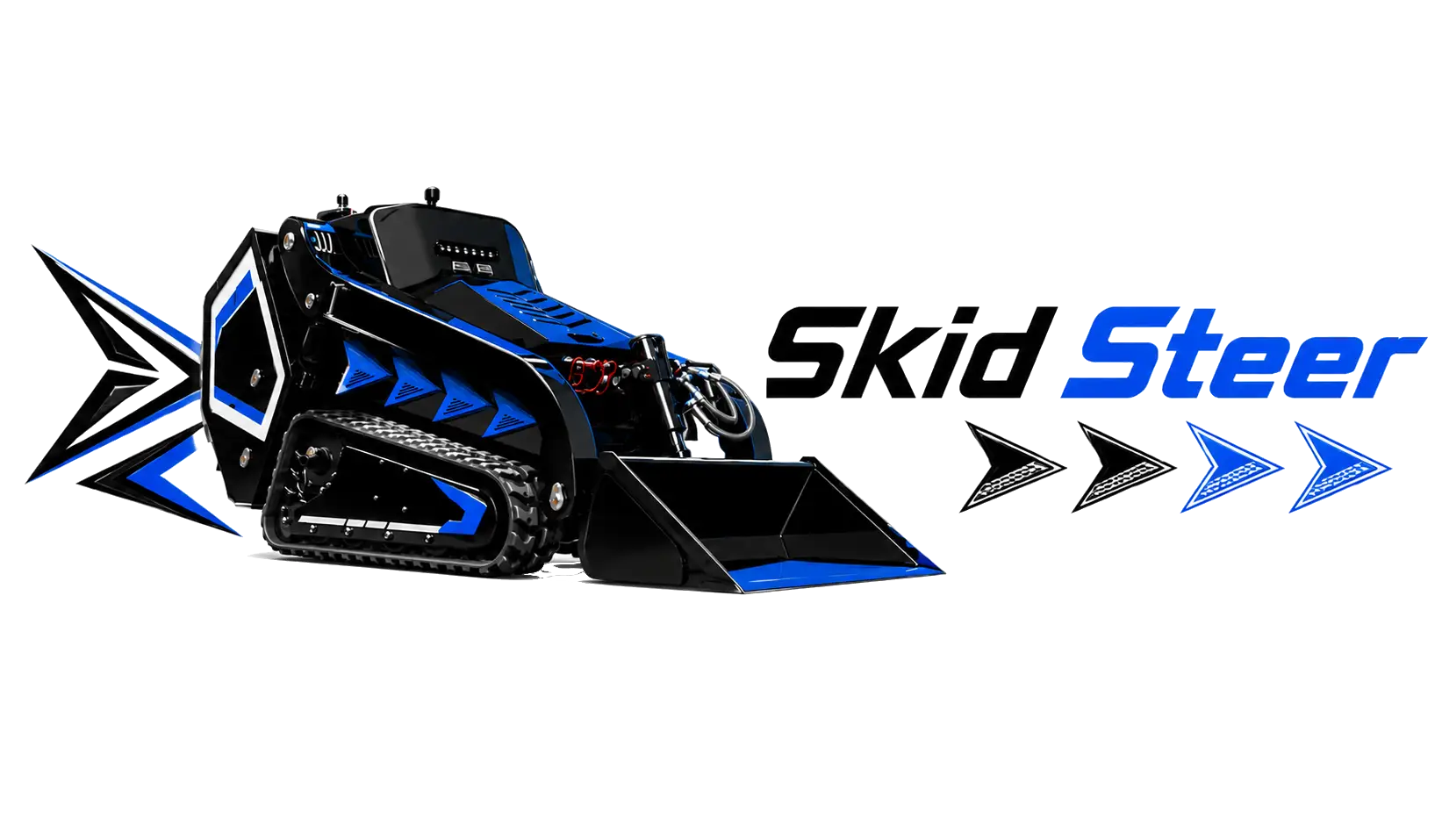
With a listed overall width of 35.4 inches, the X1300 is suited for residential gates, narrow side yards, and compact work zones where larger loaders may not fit.

A practical buyer's guide for contractors, landscapers, rental fleets, property owners, and jobsite crews comparing a compact stand-on skid steer loader for tight access, attachment work, low ground pressure, and everyday material handling.
Best use case
The TYPH X1300 is built for buyers who need more production than a wheelbarrow, mini dumper, or walk-behind tool can provide, without moving up to a full-size skid steer loader. This stand-on compact loader is especially useful when the job involves narrow gates, residential landscaping, commercial building access, trench backfill, material staging, grading, light excavation, cleanup, and attachment-driven work. Its compact tracked design helps crews move soil, mulch, gravel, debris, pavers, sod, and jobsite materials through spaces where larger equipment may create access problems, transport headaches, or turf damage.
If you are comparing compact loaders, mini skid steers, compact utility loaders, and stand-on track loaders, the buying decision should start with the work environment. A machine like the X1300 makes sense when the route to the work area is tight, the surface matters, and the operator needs fast attachment changes. According to the operator manual, the X1300 uses a quick-hitch mounting plate and auxiliary hydraulic connections for approved attachments. That means a buyer can think beyond the bucket and consider attachments for digging, trenching, sweeping, moving material, and backfilling. For more attachment ideas, visit the attachment tool guide.
With a listed overall width of 35.4 inches, the X1300 is suited for residential gates, narrow side yards, and compact work zones where larger loaders may not fit.
The wide track, low ground pressure design helps reduce lawn and landscape disturbance while maintaining the traction crews need on uneven surfaces.
The loader is designed for approved attachments, auxiliary hydraulics, and a quick-hitch workflow so crews can switch from hauling to grading or trench support.
Buyer checklist
A compact loader purchase should not be based on horsepower alone. The best machine is the one that matches your access points, soil conditions, attachments, transport setup, maintenance habits, and operator skill level. Before choosing the TYPH X1300 or any comparable mini skid steer, measure your gates, trailer, storage area, garage opening, and common jobsite entry paths. Then compare the machine's width, length, ground clearance, lift height, hydraulic capacity, and service schedule against the work you do every week.
For landscaping businesses, the most valuable question is simple: will this loader reduce labor hours without creating repair risk or surface damage? For rental companies, the question becomes: can different operators learn the controls quickly, inspect the machine easily, and return it with minimal maintenance surprises? For construction crews, the decision often comes down to attachment compatibility, hydraulic performance, stability, and transport practicality. The X1300 is strongest when the job requires compact size, controlled movement, and repeated attachment use in spaces that do not reward a larger loader.
Performance value
The main advantage of the X1300 is balance. It is compact enough to reach jobs that bigger equipment cannot access, but it is still built around tracked traction, hydraulic work tools, loader arms, a bucket, and diesel power. That combination can help a crew move from manual labor to machine-assisted productivity without changing the entire way they transport and schedule equipment. The operator stands on a rear platform, uses dedicated drive and loader controls, and can work in close quarters with good visibility around the attachment and work area.
The manual highlights several design details that matter to buyers: a narrow overall width, a wide track design, low ground pressure, a robust undercarriage welded to the main frame, sealed track rollers, a grease-type track tension system, a pilot control joystick, and a boom float function. In real buying terms, those features point to three practical benefits. First, the loader is easier to place on work where access is limited. Second, the track system is designed to limit ground disturbance while delivering traction. Third, routine ownership tasks such as track tensioning, daily checks, and scheduled fluid service are part of the machine's operating plan rather than an afterthought.
The X1300 also deserves attention from buyers who need a machine for multiple small jobs per day. A compact stand-on loader can be easier to unload, position, and stage than a larger unit when the project list includes mulch delivery, fence-line cleanup, backyard grading, slab prep, drainage work, or snow and debris clearing. If your crew spends too much time moving material by hand because the loader cannot reach the work, the real cost is not just time. It is fatigue, inconsistent output, and fewer jobs completed per week.
Safety and ownership
Searchers looking for the best compact loader are not only comparing numbers. They also want to know whether the machine can be operated safely, maintained consistently, and matched with the right attachments. The X1300 manual repeatedly emphasizes operator training, personal protective equipment, bystander awareness, underground utility marking, safe attachment hookup, hydraulic pressure safety, and slope precautions. That matters because the buyer who plans training before delivery usually gets better production and fewer preventable problems.
Buying decision
The TYPH X1300 is a strong candidate for buyers who need a narrow, tracked, attachment-capable stand-on compact loader for professional landscaping, property maintenance, small construction, and rental use. It is especially appealing when your crew regularly works through tight gates, around finished lawns, beside buildings, or in confined commercial areas. The buyer who gets the most value from this machine usually has recurring material-handling tasks, enough attachment work to justify hydraulic capability, and a transport plan that fits compact equipment.
It may not be the best match if your priority is high-speed travel, heavy production loading, road use, or maximum lift capacity in open jobsites where a full-size skid steer can work comfortably. It is also not a shortcut around training. A stand-on compact loader still requires careful operation, slope awareness, attachment inspection, maintenance discipline, and jobsite planning. If those requirements fit your business, the X1300 can be the kind of machine that turns small jobs into repeatable, profitable work.
For buyers comparing models, create a simple scorecard. Rate each loader on width, lift height, bucket capacity, hydraulic flow, attachment availability, track design, engine support, service access, dealer support, and total ownership cost. Then score how often those strengths matter on your actual jobs. The right compact loader is not always the biggest machine. It is the machine that shows up more often, fits through more entrances, saves more labor hours, and keeps your crew moving without overcomplicating the job.
Need help matching the X1300 to your projects? Review the jobsite project guide, browse operator tips, or check the compact loader FAQ before requesting a quote.
FAQs
Yes. The X1300 is well suited for landscaping tasks where compact access, tracked traction, low ground pressure, bucket work, and attachment flexibility are important. It can support material handling, backfilling, grading, cleanup, and tight residential or commercial jobsites.
The design data lists the X1300 total width at 900 mm, or 35.4 inches. Buyers should still measure gates, trailers, storage entrances, and attachment widths before purchase.
The manual lists a Kubota 1105 diesel engine in the standard configuration and also describes a 24.8 HP diesel engine package. Confirm the current engine configuration with the seller before ordering.
The manual recommends approved attachments and describes a quick-hitch mounting plate with auxiliary hydraulic hookup. Exact attachment compatibility should be confirmed before purchase, especially for hydraulic flow requirements and hitch fit.
It depends on the job. A stand-on compact loader is often better for narrow access, turf-sensitive work, and smaller jobs. A full-size skid steer is usually better for heavier loading, longer travel distances, and high-volume production in open spaces.