
Who Uses a Skid Steer?
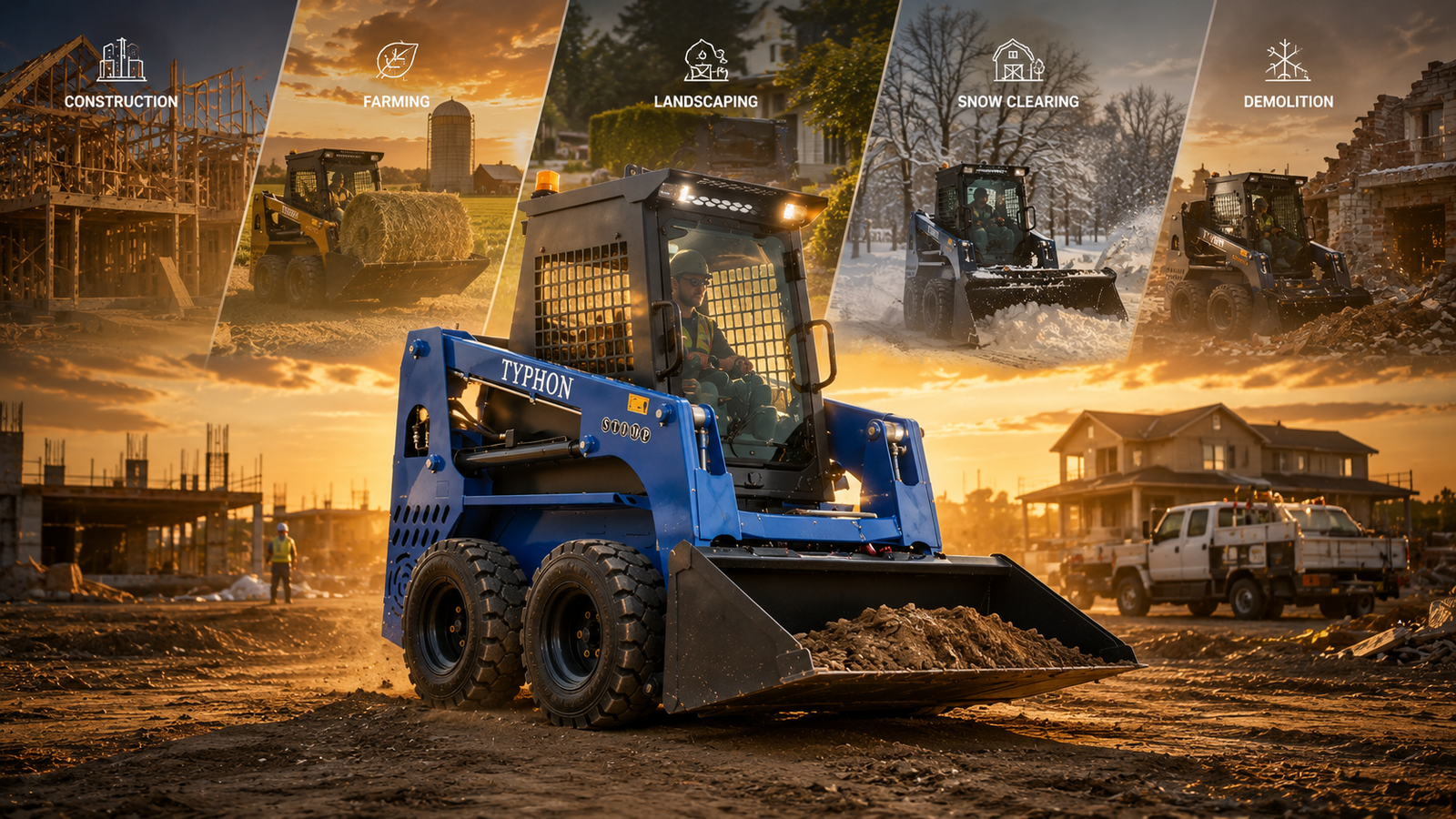
Few machines show up on as many different jobsites as the skid steer. Walk onto a construction site, a working farm, a landscaping project, or a snow-covered parking lot, and you are likely to find one earning its keep. This compact, powerful machine has become a workhorse across an astonishing range of industries, prized for its versatility, its tight footprint, and its ability to switch between dozens of tasks with a quick change of attachment. For contractors, landscapers, farmers, construction business owners, property managers, and equipment buyers, understanding who uses a skid steer and why is the first step toward deciding whether one belongs in your own operation.
The reason the skid steer fits so many hands comes down to a simple truth: most businesses do not need one machine that does one job, they need one machine that does many jobs well. This guide is written for the professionals who are weighing exactly that. We will explore how construction crews, landscapers, farmers, snow removal contractors, property managers, and demolition and material-handling operations all put skid steers to work, what problems the machine solves for each of them, and how its versatility translates into real productivity, labor savings, and return on investment. By the end, you will see clearly where a skid steer fits and why it appeals to small businesses and large operations alike.
Construction Crews That Need One Machine for Many Tasks
Construction sites are demanding, fast-moving environments where space is tight, schedules are unforgiving, and every machine has to earn its place. The challenge for builders and general contractors is that a single project can involve digging, grading, loading, hauling, demolition, and material handling, often all in the same week. Bringing a separate dedicated machine for each of those tasks is expensive, slow to coordinate, and impractical on a crowded site where there is barely room to turn around.
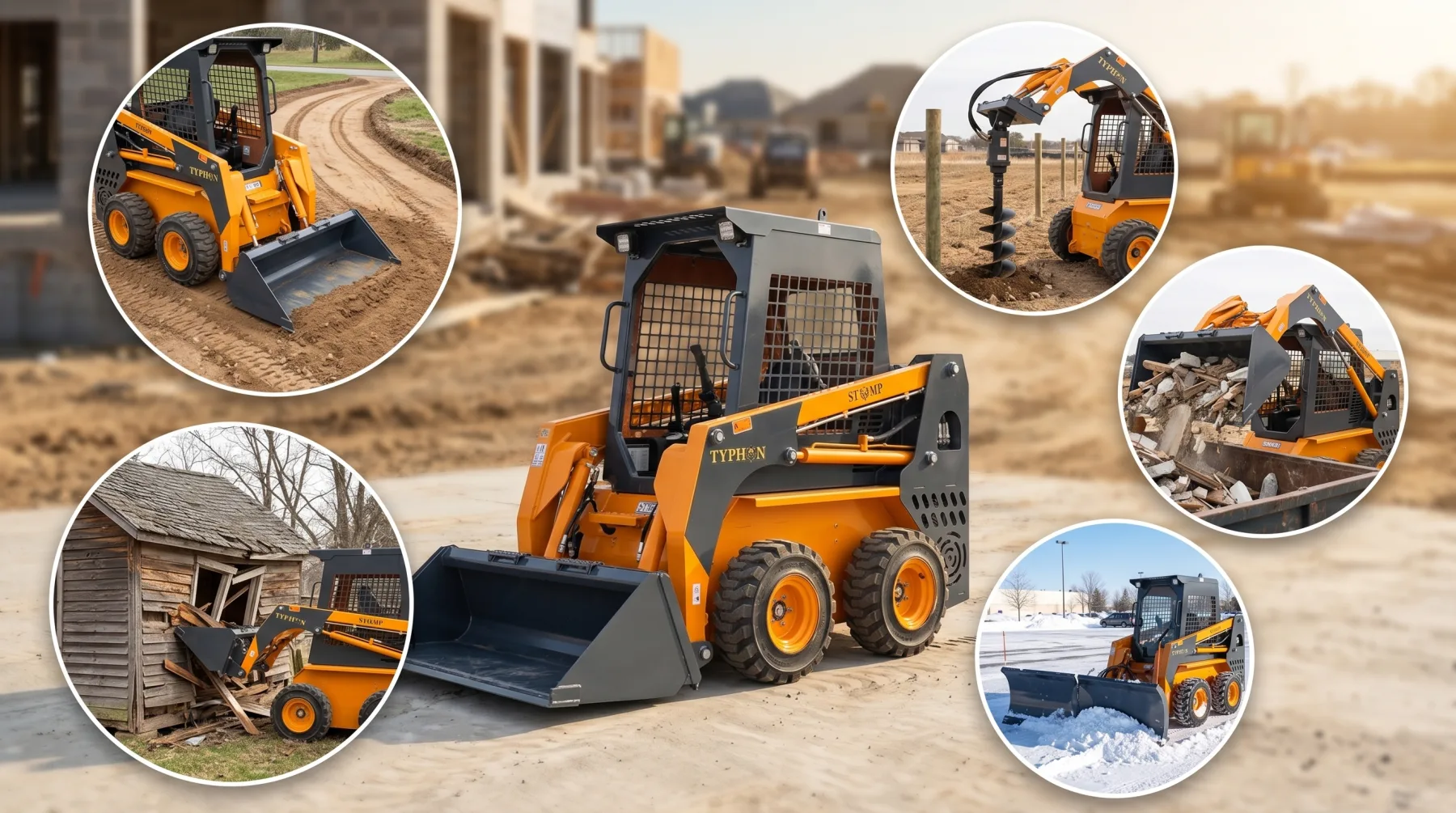
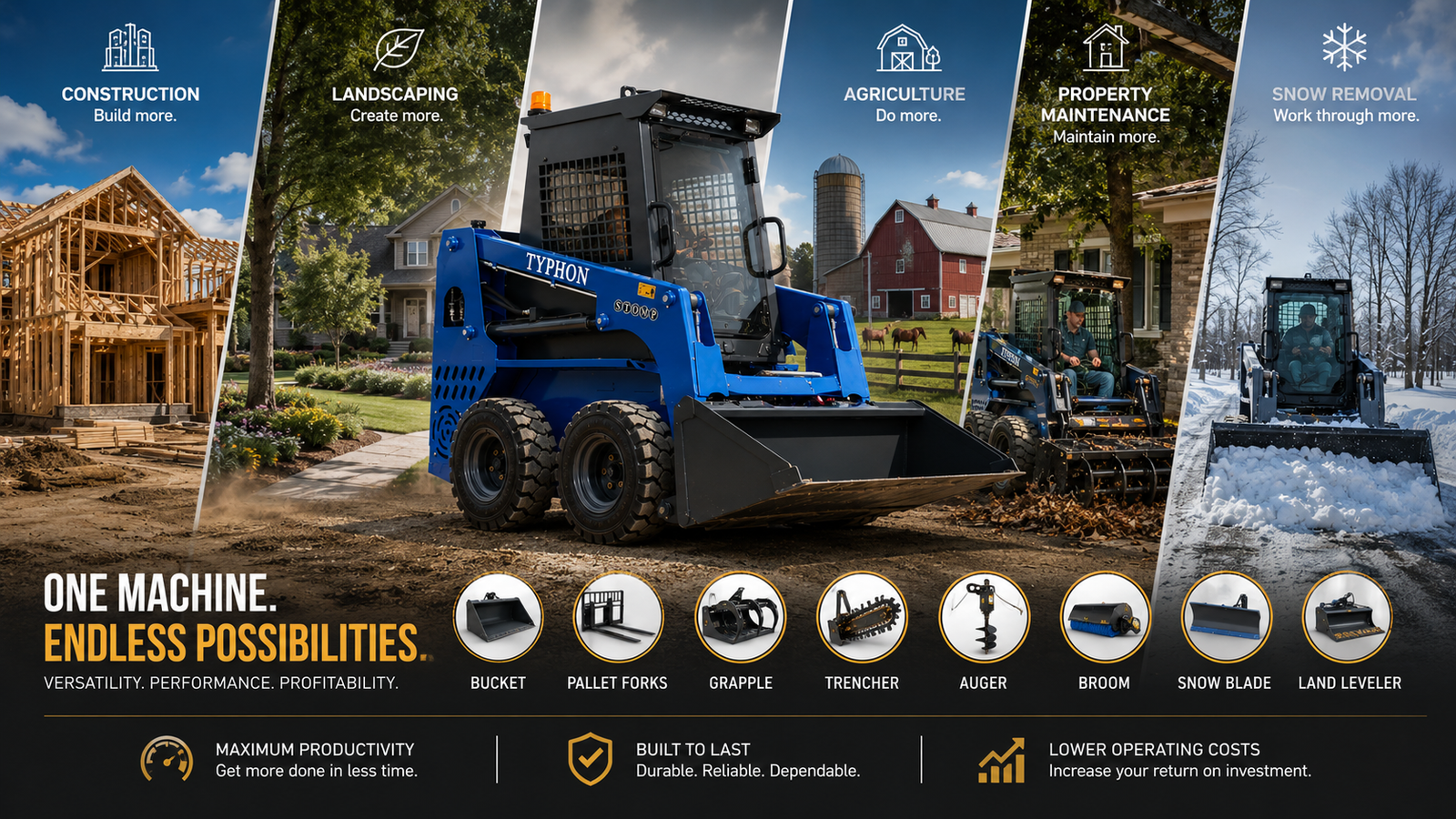
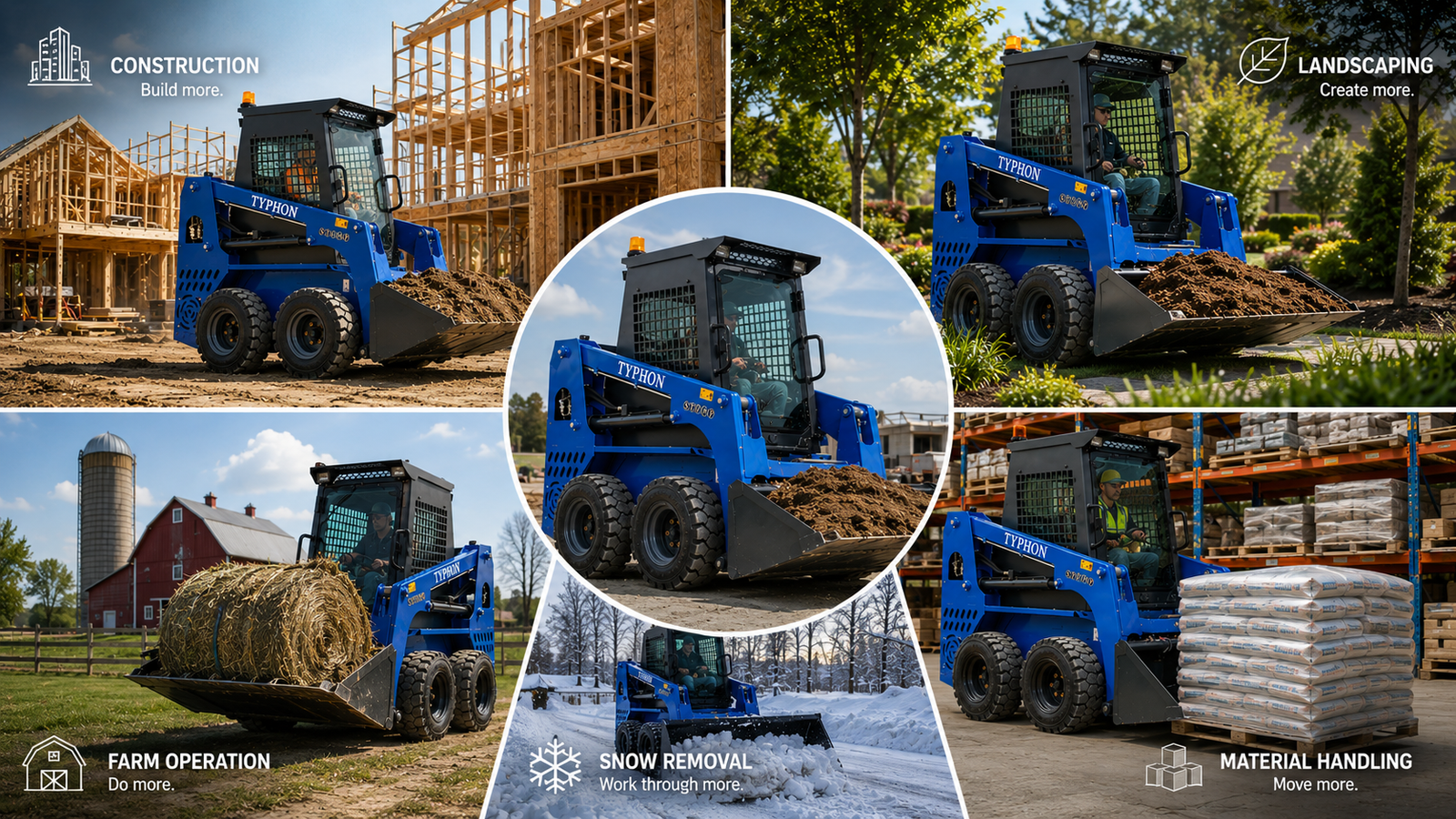
This is exactly where the skid steer proves its worth. Its compact size lets it operate in confined areas, between structures, and inside partially built spaces where larger equipment cannot maneuver. With the right attachment, the same machine that loads gravel in the morning can dig a trench, grade a pad, sweep debris, or break concrete in the afternoon. That adaptability makes the skid steer a natural fit for residential builders, commercial contractors, and site-prep crews who need to keep a project moving without parking a fleet of specialized machines on the property.
The business impact is significant and measurable. One skid steer with a handful of attachments can replace several single-purpose machines, which lowers acquisition costs, reduces transport headaches, and simplifies scheduling. Crews accomplish more with fewer operators, finish phases faster, and keep tight timelines on track. For a construction business watching both its budget and its calendar, that consolidation of capability is precisely the kind of efficiency that protects margins. And while construction may be the skid steer’s most visible home, its versatility shines just as brightly in a very different field.
Landscapers and Hardscape Professionals
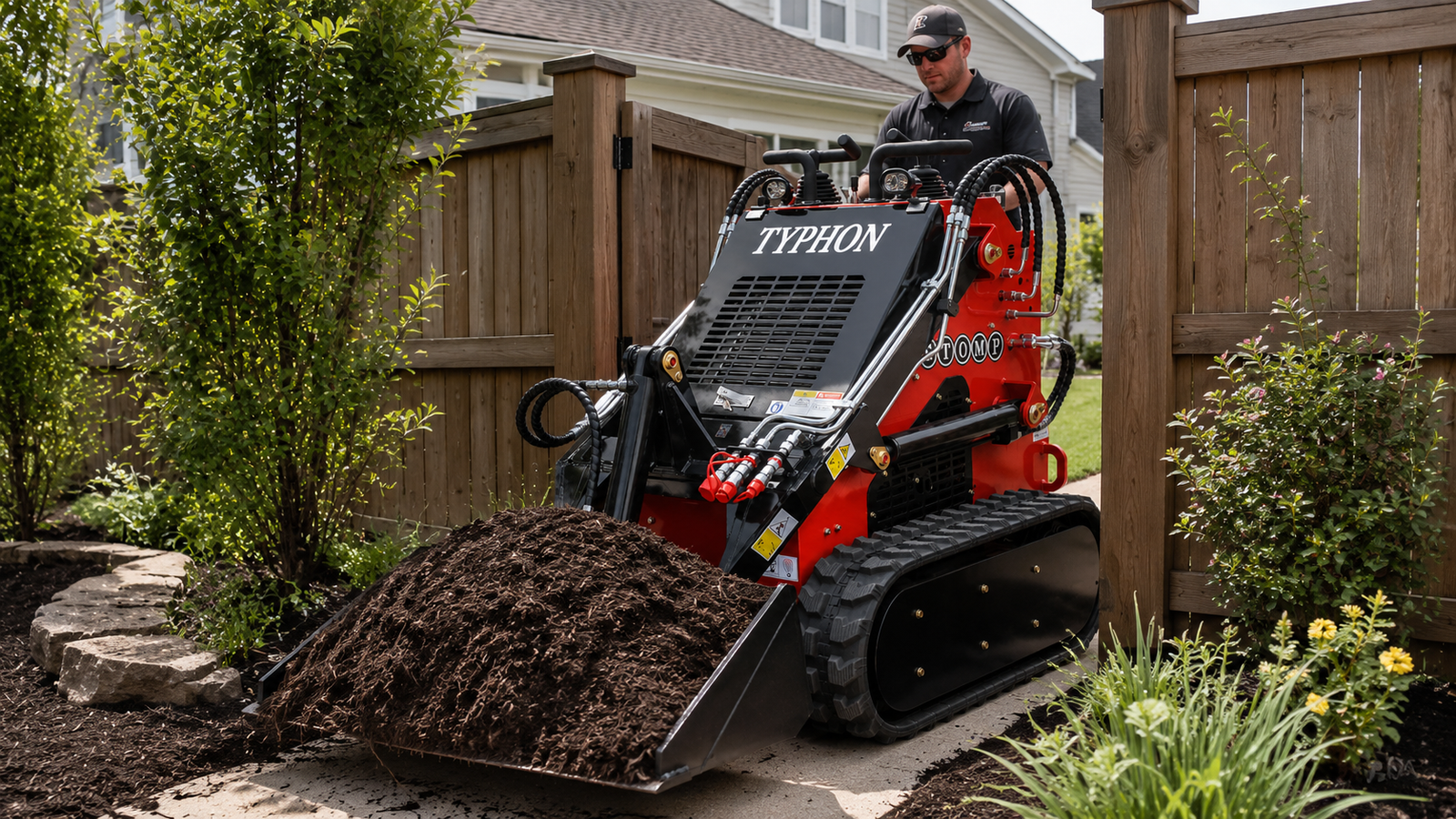
Landscaping work blends heavy lifting with delicate finishing, and that combination places unusual demands on equipment. A landscaper might need to move pallets of pavers and tons of soil one moment, then grade a lawn or prepare a planting bed the next. Doing this work by hand is slow and physically punishing, while bringing in oversized equipment risks tearing up the very surfaces the crew is being paid to improve. The landscaper needs power and precision in a package small enough to respect a finished property.
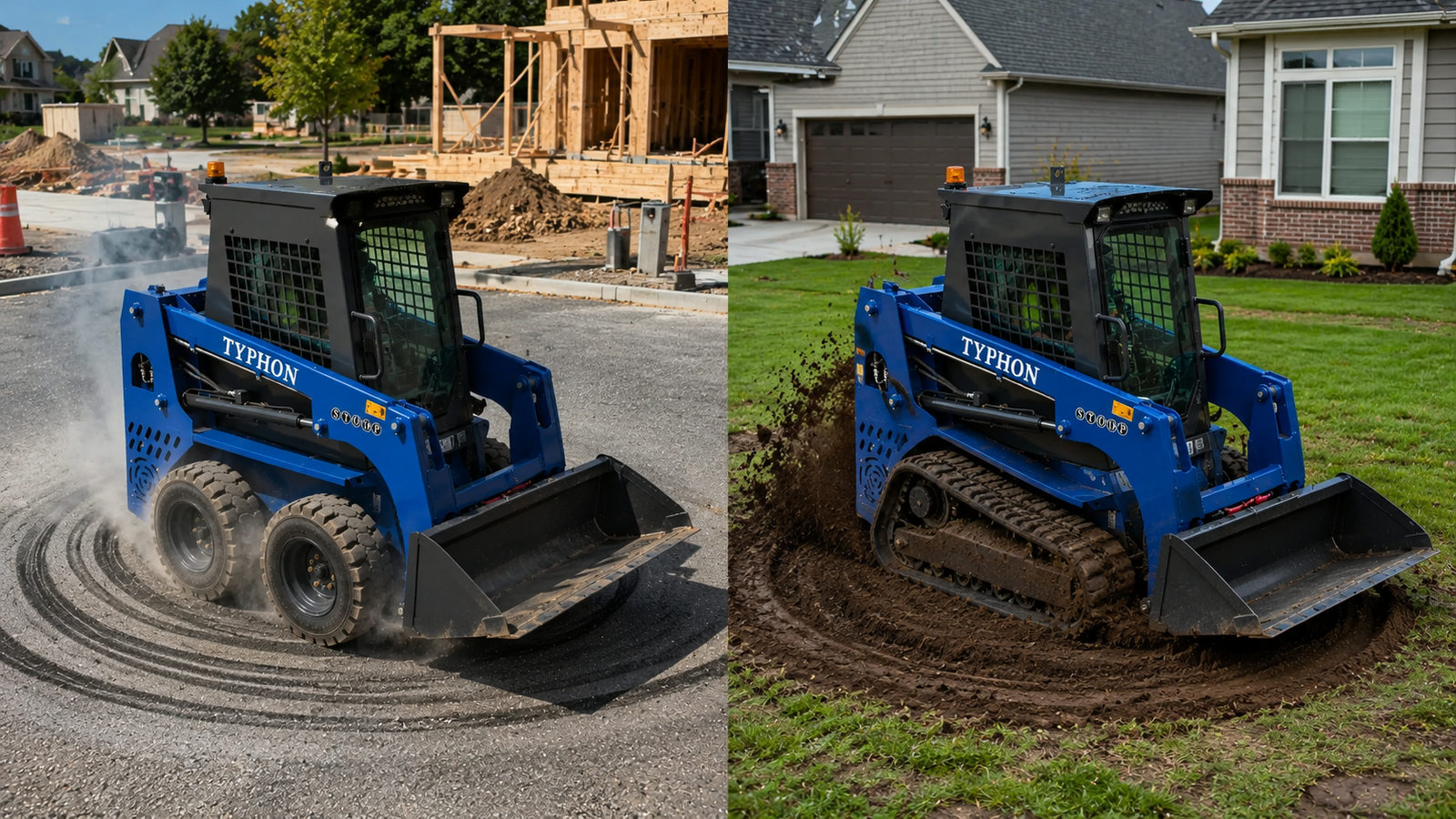
Skid steers answer that need directly. With attachments like buckets, pallet forks, augers, trenchers, soil conditioners, and grapples, a single machine handles nearly every stage of a landscaping or hardscaping project. It hauls and distributes mulch, gravel, and soil, sets heavy stone and block, drills holes for trees and fence posts, levels ground for patios and walkways, and grips brush and debris for cleanup. The same machine that prepares a site can also handle the finish grading that sets up a clean, professional result. For crews working tracked models, the wide footprint spreads weight gently and reduces damage to lawns and soft ground.
The payoff for a landscaping business is felt in both speed and safety. Work that once required several laborers and a full day of manual effort can often be completed by one operator in a fraction of the time, which lowers labor costs and protects crews from the strains and injuries that come with constant heavy lifting. Faster project turnaround means more jobs per season and stronger profitability. That blend of muscle and finesse explains why skid steers are fixtures on landscaping sites, but they are just as essential in an industry built around long days and demanding conditions.
Farmers and Agricultural Operations
Farms run on efficiency, and few operations have less tolerance for idle equipment or wasted labor. The challenge for farmers and ranchers is that agricultural work is relentlessly varied and seasonal. Feeding livestock, cleaning stalls, moving hay bales, loading feed, digging post holes, clearing brush, and maintaining roads and fence lines all demand mechanical help, but buying a separate machine for each chore is neither affordable nor practical for most operations. What a farm needs is one dependable machine that adapts to whatever the day requires.
The skid steer fits agricultural life almost perfectly. Its compact size lets it work inside barns, around pens, and in the tight confines of livestock facilities where larger tractors struggle. With bale spears, grapples, augers, buckets, sweepers, and feed-handling attachments, the same machine moves and stacks hay, mucks out stalls, loads feed and manure, drills fence posts, and clears overgrown areas. On a working farm, that single machine quietly becomes one of the most-used pieces of equipment on the property, handling daily chores year-round rather than sitting idle between seasons.
For an agricultural business, the return on investment is hard to ignore. A skid steer reduces the manual labor that drains a crew’s energy and time, frees family members and hired hands for skilled work, and keeps essential daily tasks moving regardless of weather or season. Its reliability and adaptability make it a genuine partner in the operation rather than just another piece of equipment. That same year-round usefulness extends into one of the harshest and most time-sensitive jobs many operators face once the temperature drops.
Snow Removal and Seasonal Contractors
When winter arrives, snow removal becomes a high-pressure business where speed and reliability determine whether contracts are kept and clients stay satisfied. The problem is that snow does not wait, and the windows for clearing parking lots, driveways, sidewalks, and commercial properties are often narrow and overnight. Crews relying on shovels, plows mounted to pickups alone, or slower equipment quickly fall behind during a heavy storm, putting both safety and service agreements at risk.
Skid steers excel in this environment because they combine power, traction, and quick attachment changes. Fitted with snow buckets, plow blades, angle blades, snow blowers, or pushers, a skid steer clears large areas fast and maneuvers easily through tight lots and around parked vehicles. Tracked models add stability and grip on slick surfaces, letting operators work confidently in conditions that would sideline less capable equipment. When the job calls for more than pushing snow, the same machine can switch to a bucket to load and haul accumulation away entirely.
The seasonal value here is what makes the skid steer especially appealing. A machine that handles landscaping, construction, or property work through the warmer months transitions seamlessly into a snow-clearing workhorse in winter, which means the investment earns its keep all year rather than sitting idle for a season. For contractors who depend on snow removal income, that reliability protects both revenue and reputation when storms hit hardest. This kind of year-round, multi-purpose usefulness is also exactly what draws another group of professionals to the machine.
Property Managers and Maintenance Operations
Property managers and facilities maintenance teams shoulder responsibility for keeping grounds, lots, and shared spaces clean, safe, and presentable across the entire year. The challenge they face is the sheer variety of ongoing tasks. Grading gravel drives, clearing debris, moving materials, maintaining landscaping, handling minor demolition, and clearing snow all fall under their care, yet maintaining a separate machine for each would be wasteful and difficult to justify within a maintenance budget.
A skid steer gives these teams a single, flexible tool that addresses nearly all of it. Its compact size suits the residential complexes, commercial properties, campuses, and municipal spaces where maneuverability matters and where large equipment would be both excessive and disruptive. Throughout the year, the same machine sweeps lots, regrades and repairs gravel surfaces, hauls and spreads material, removes brush and debris, supports small renovation projects, and clears snow when winter arrives. One operator with one machine can keep a sizable property maintained without calling in outside contractors for every task.
The business impact lands in both cost control and responsiveness. Owning a versatile machine reduces reliance on hired equipment and outside crews, lowers ongoing maintenance expenses, and lets a team respond quickly to whatever a property demands on a given day. That self-sufficiency keeps properties looking their best while protecting the budget, which is exactly the kind of reliability property managers value. The machine’s strength becomes even more apparent when the work turns heavier and more aggressive.
Demolition and Heavy Material Handling
Some jobs are simply about force and the ability to move heavy, awkward, or stubborn material safely and efficiently. Demolition crews, recycling operations, warehouses, and material yards face the constant challenge of breaking down structures, sorting debris, and transporting heavy loads in environments that are often confined, cluttered, and unforgiving. Larger machines may offer raw power, but they frequently lack the agility to operate in tight teardown spaces or inside buildings and yards where room is scarce.
The skid steer bridges that gap with a combination of strength and maneuverability. Equipped with hydraulic breakers, grapples, demolition buckets, and forks, it tears out concrete, breaks up slabs, grips and removes debris, and loads broken material into trucks and containers. In material-handling settings, pallet forks and grapples let the machine move heavy loads, stack inventory, and feed processing equipment efficiently. Its strong hydraulics power demanding attachments that turn the compact machine into a genuine force on a teardown or sorting operation, all while fitting into spaces a larger machine cannot reach.
For these businesses, the productivity and safety gains are substantial. Mechanizing heavy, hazardous material handling protects workers from injury, accelerates the pace of demolition and sorting, and keeps cluttered sites organized and flowing. One capable machine handles tasks that would otherwise require multiple pieces of equipment or far more manual labor, which directly improves both efficiency and the bottom line. That ability to scale from delicate finishing work to heavy demolition is the very quality that makes the skid steer appealing across operations of every size.
Conclusion
The answer to who uses a skid steer is, in short, almost everyone who works with land, materials, and structures. Construction crews rely on it to consolidate many tasks into one machine, landscapers depend on its blend of power and precision, and farmers treat it as a year-round partner for the endless chores of agricultural life. Snow removal contractors lean on it through winter, property managers use it to keep grounds maintained efficiently, and demolition and material-handling operations trust it for heavy, demanding work in tight spaces. Across every one of these fields, the same qualities drive its popularity: versatility, compact size, broad attachment compatibility, and a return on investment that comes from one machine doing the work of many.
For contractors, landscapers, farmers, construction business owners, property managers, and equipment buyers, the real question is not whether a skid steer is useful, but how it would fit your specific work. Look honestly at the tasks that consume your labor, slow your schedule, or force you to rent or subcontract, and consider how a single adaptable machine and the right attachments could absorb them. Match the machine size and attachment range to your real workload, weigh the year-round utility against your seasonal demands, and you will likely find that the skid steer earns its reputation as on