
Troubleshooting Common Mulcher Issues and How to Fix Them
A sudden mechanical failure on an active land clearing site represents a massive threat to your project timeline and profit margins. You rely on heavy machinery to conquer dense vegetation, and when that equipment stops working, your entire operation grinds to a devastating halt. Idle crews and missed deadlines destroy your reputation and drain your working capital. Understanding how to diagnose and resolve these mechanical roadblocks separates struggling contractors from highly profitable land management professionals.
Mastering the art of troubleshooting mulcher issues empowers you to take absolute control of your daily operations. When you know exactly what to look for, you can fix minor problems in the field without waiting days for an expensive dealership mechanic to arrive. This comprehensive guide explores the most frequent mechanical hurdles you will face while clearing land. By implementing these foundational mulcher maintenance tips, you ensure your equipment remains a deeply reliable asset that continuously drives your business forward.
Mulcher Won’t Start: Possible Causes and Quick Fixes
You arrive at the job site early, turn the ignition key on your carrier machine, and engage the auxiliary hydraulics, but the mulcher completely refuses to power up. This frustrating scenario often leads operators to panic, assuming the expensive internal hydraulic motor has completely failed overnight. However, the root cause of a dead attachment is almost always a simple communication error between the carrier machine and the mulching head. Modern heavy equipment relies on a complex network of electrical signals and hydraulic pressure to initiate movement.
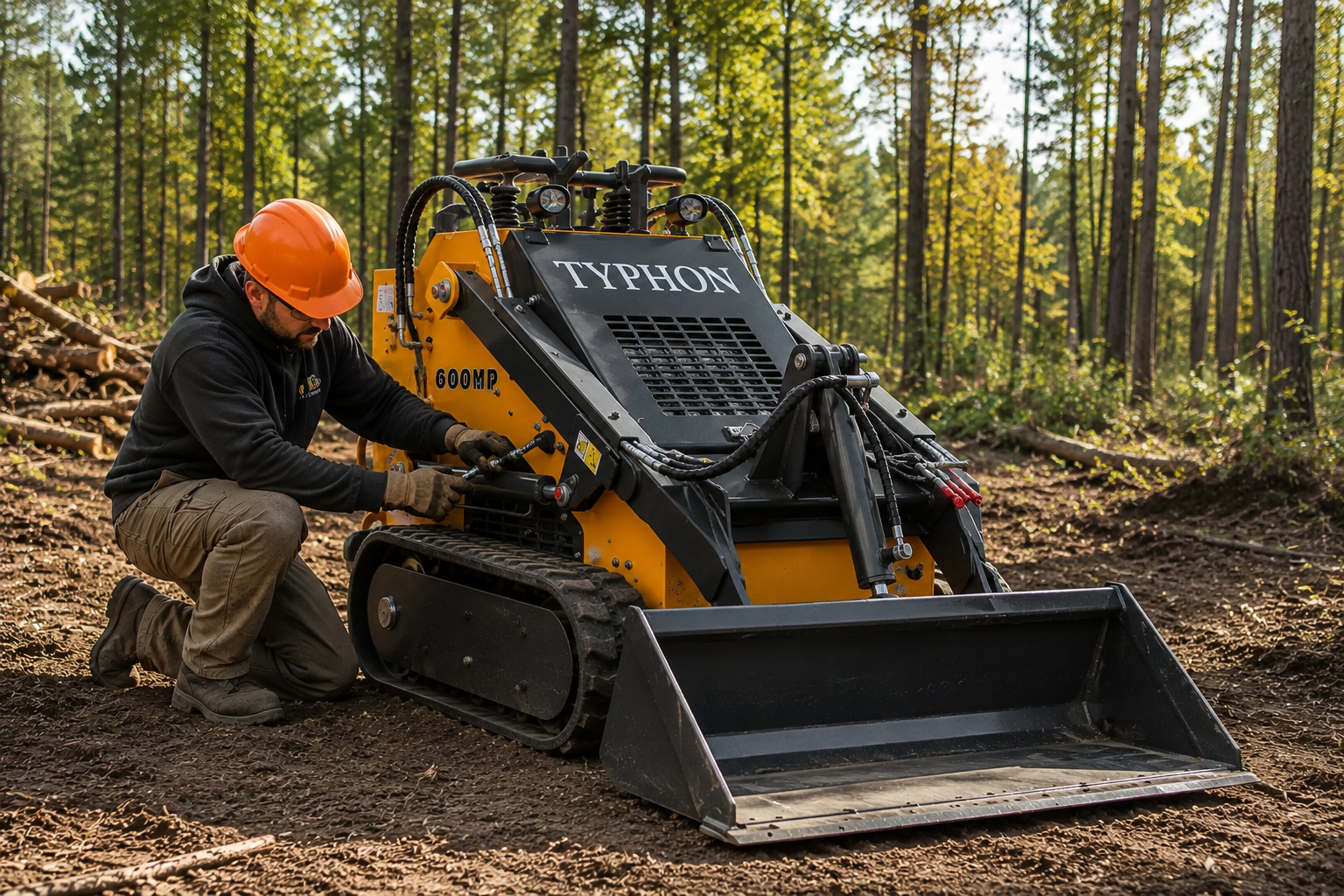
The first step in resolving this common mulcher problem is systematically checking your physical connection points. Operators must step out of the cab and meticulously inspect the hydraulic quick couplers for any trapped dirt or unseated connections. A coupler that is only partially engaged will completely block the flow of pressurized hydraulic fluid, leaving the mulcher dead in the dirt. Furthermore, you must verify that the electrical wiring harness connecting the attachment to the machine is securely plugged in and free of severe corrosion.
Addressing these basic connection issues often restores power to the attachment in a matter of minutes. Your crew avoids losing an entire morning of profitable work, and you save hundreds of dollars in unnecessary service call fees. Verifying these connections establishes a strong foundation of daily reliability for your fleet. Once the machine finally starts, you must ensure it actually delivers the raw power required for the job.
Mulching Head Isn’t Spinning or Spins Slowly
Forestry mulchers are engineered to violently and aggressively shred thick timber, a process that requires the heavy steel drum to spin at incredibly high speeds. A severe limitation contractors face is driving the machine into a dense stand of trees only to realize the drum is rotating sluggishly or completely stalling upon impact. When the cutting head lacks the necessary rotational velocity, it simply bludgeons the wood rather than cutting it cleanly. This forces the operator to dangerously ram the machine into the brush, actively destroying the attachment’s structural integrity.
A slow-spinning rotor is almost entirely caused by inadequate hydraulic flow from the carrier machine or severely restricted fluid lines. You must immediately check the digital dashboard on your skid steer or excavator to ensure the high-flow hydraulic setting is actually engaged. If the carrier is pushing the correct gallons per minute (GPM), the next culprit is often a collapsed hydraulic return line or a heavily clogged inline fluid filter. When the oil cannot flow freely back to the carrier machine, immense back pressure builds up and acts as a mechanical brake on the spinning rotor.
Resolving these hydraulic flow restrictions immediately restores the devastating cutting power of your attachment. Your operators can glide through heavy brush with absolute confidence, dramatically reducing cycle times and fuel consumption. Ensuring proper fluid dynamics protects the expensive internal drive motors from catastrophic failure. This continuous, aggressive cutting capability naturally generates massive amounts of friction, leading to our next major operational hazard.
Overheating During Use
Heavy-duty land clearing generates immense internal temperatures as the hydraulic fluid is pushed to its absolute physical limits. The cooling package on your carrier machine works relentlessly to dissipate this heat, but the surrounding environment actively fights against it. Forestry environments are saturated with floating wood dust, pulverized leaves, and thick airborne pollen. When operators ignore this hostile environment, the machine’s temperature gauge will violently aggressively spike into the red zone.
Overheating is one of the most dangerous common mulcher problems, and it is usually caused by a severely restricted cooling system. As the heavy wood dust gets sucked into the rear radiator grilles, it forms a thick, insulating blanket over the cooling fins. This prevents fresh air from passing through the radiator, trapping the intense heat inside the engine bay and hydraulic reservoir. Continuing to operate a severely overheating machine will instantly degrade the hydraulic oil and permanently warp critical engine components.
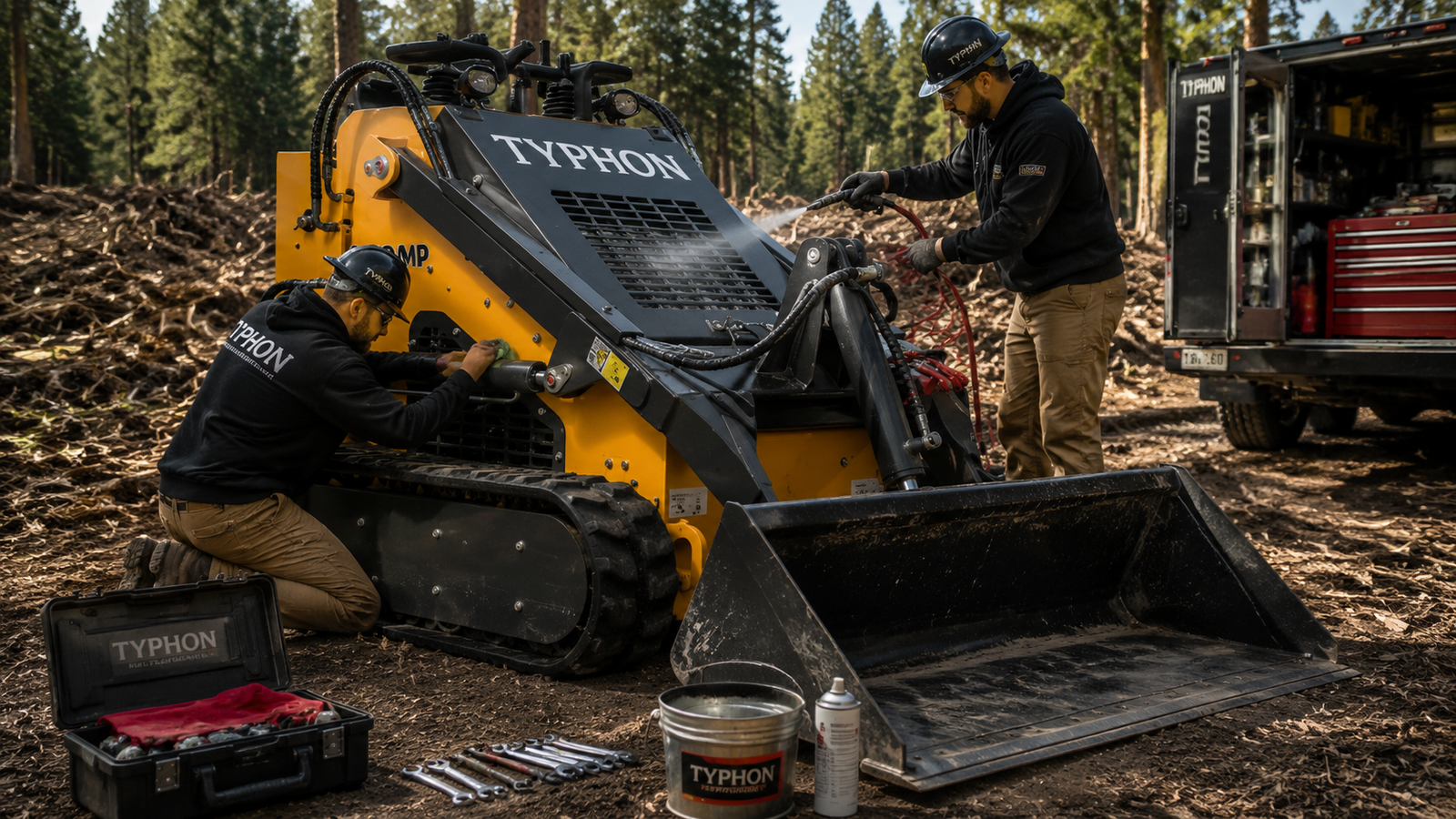
Defeating this thermal threat requires a strict, non-negotiable commitment to proactive debris management. Operators must frequently pause their clearing operations to manually blow out the radiator fins with compressed air or a high-powered leaf blower. This simple, ten-minute maintenance task completely restores vital airflow and brings the fluid temperatures back down to safe operating levels. Keeping the machine cool ensures you can run full, uninterrupted shifts even during the blistering summer months, leading to a much higher quality of finished work.
Poor Cutting Performance or Uneven Mulch Output
Clients hire professional land clearing contractors to transform overgrown, chaotic properties into clean, highly manageable landscapes. The problem arises when your equipment leaves behind jagged stumps, massive wood chunks, and an incredibly uneven layer of mulch. Delivering a poor final product destroys your professional reputation and guarantees that the client will never hire your company again. This sloppy cutting performance is rarely the fault of the machine’s engineering; it almost always stems from severely degraded ground-engaging tools.
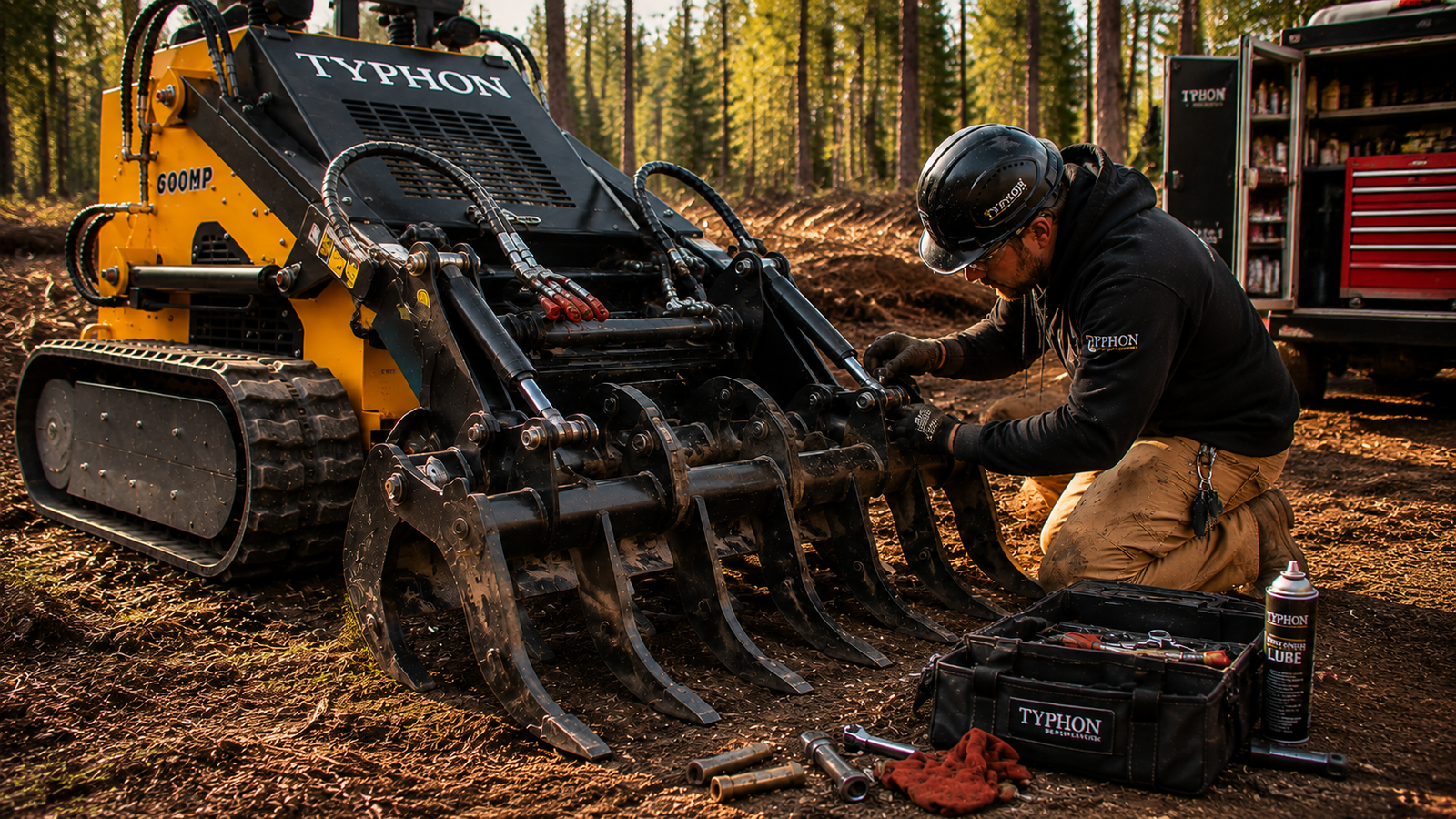
The cutting teeth on your mulching rotor act as the primary point of contact with the hostile environment. When these teeth become rounded, dull, or heavily fractured from striking hidden rocks, they completely lose their ability to slice through wood fibers. Instead of cleanly shearing the timber, dull teeth violently tear at the wood, leaving behind an ugly, inconsistent finish. Furthermore, running a machine with completely missing teeth creates massive gaps in the cutting pattern, forcing the operator to make multiple passes over the exact same area.
You must mandate that your operators perform a rigorous visual inspection of the cutting drum every single morning. Replacing chipped or dull teeth immediately restores the surgical precision of the attachment. This dedication to cutting tool health guarantees a premium, highly aesthetic mulch bed that deeply impresses property owners and developers. Maintaining this sharp, aggressive cutting edge also heavily protects the structural integrity of the entire machine.
Unusual Vibrations or Noises
A forestry mulcher naturally produces a loud, aggressive roar as it processes heavy timber, but elite operators know exactly how their machine is supposed to sound. A common vulnerability for inexperienced crews is ignoring sudden, violent vibrations or high-pitched metallic grinding noises coming from the attachment. They mistakenly assume that heavy vibrations are just a normal part of the land clearing process. Ignoring these terrifying mechanical warning signs guarantees that a minor issue will rapidly escalate into a catastrophic equipment failure.
Unusual vibrations are almost exclusively caused by a severe loss of dynamic balance within the heavy steel rotor. If an operator shatters several teeth on one side of the drum and fails to replace them, the weight distribution becomes completely uneven. As this unbalanced drum spins at thousands of revolutions per minute, it sends destructive shockwaves directly into the massive rotor bearings. If left unchecked, these vibrations will literally tear the steel bearing housings apart and shatter the carrier machine’s lift arms.
Investigating and resolving unusual noises immediately protects your massive capital investment from total destruction. By replacing broken teeth and regularly greasing the main rotor bearings, you maintain the flawless dynamic balance of the drum. Your machine runs smoothly, operator fatigue is drastically reduced, and your equipment lifespan is extended by thousands of hours. Eventually, however, routine greasing and tooth replacement are no longer enough to keep the machine running.
When to Call it: Replace Your Parts
Every mechanical component on a heavy-duty forestry attachment possesses a finite, highly specific operational lifespan. Many business owners trap themselves in a destructive cycle of reactive maintenance, refusing to replace aging parts until they violently explode on the job site. This run-to-failure mentality is the absolute fastest way to bankrupt a land management company. When you push heavily worn drive belts, leaking hydraulic motors, and deeply grooved rotor housings past their engineering limits, you guarantee massive emergency repair bills.
Troubleshooting mulcher issues requires the professional maturity to recognize when a component is simply beyond saving. If a hydraulic motor is constantly weeping fluid despite having new seals installed, the internal housing is permanently scarred and must be entirely replaced. If the steel drive pulleys are deeply grooved and constantly shredding expensive drive belts, replacing the belts is a waste of money; you must replace the structural pulleys. Acknowledging these hard mechanical truths prevents you from throwing good money after bad.
Replacing major components before they catastrophically fail transforms your operation from a chaotic, reactive business into a deeply stable enterprise. You control your maintenance budget by scheduling major replacements during the slower winter months rather than suffering sudden breakdowns during peak season. This highly calculated approach to fleet management ensures you always deliver premium reliability to your clients.
Command Your Fleet with Absolute Confidence
The heavy construction and land management industries heavily reward contractors who operate with meticulous discipline and mechanical foresight. A forestry mulcher is a magnificent, highly profitable asset, but its true power is only realized when the operator takes aggressive ownership of its health. Ignoring strange vibrations, running dull teeth, and neglecting basic hydraulic connections will permanently throttle the growth of your company.
Take a deeply strategic look at your current operational standards and demand absolute excellence from your crews. Implement strict daily inspection routines, prioritize preventative maintenance, and educate your operators on how to properly diagnose minor field issues. By mastering the art of mechanical troubleshooting, you secure an unyielding competitive advantage and build a highly respected legacy of reliability in the land clearing industry.