Measure Access
Check gate width, doorway height, path slope, surface strength, turning room, overhead wires, tree limbs, and the loader's full length with attachment.

A practical guide for planning compact loader jobs, choosing attachments, organizing materials, protecting surfaces, improving workflow, and finishing projects with fewer delays.
Project Planning
Compact loaders are excellent project machines because they can move material, dig, grade, trench, sweep, backfill, carry pallets, clear brush, and work in spaces where larger loaders may not fit. But productivity does not happen automatically. A tight access route, poorly placed material pile, wrong attachment, soft ground, blocked dump zone, or unclear work area can turn a simple project into a slow and frustrating day.
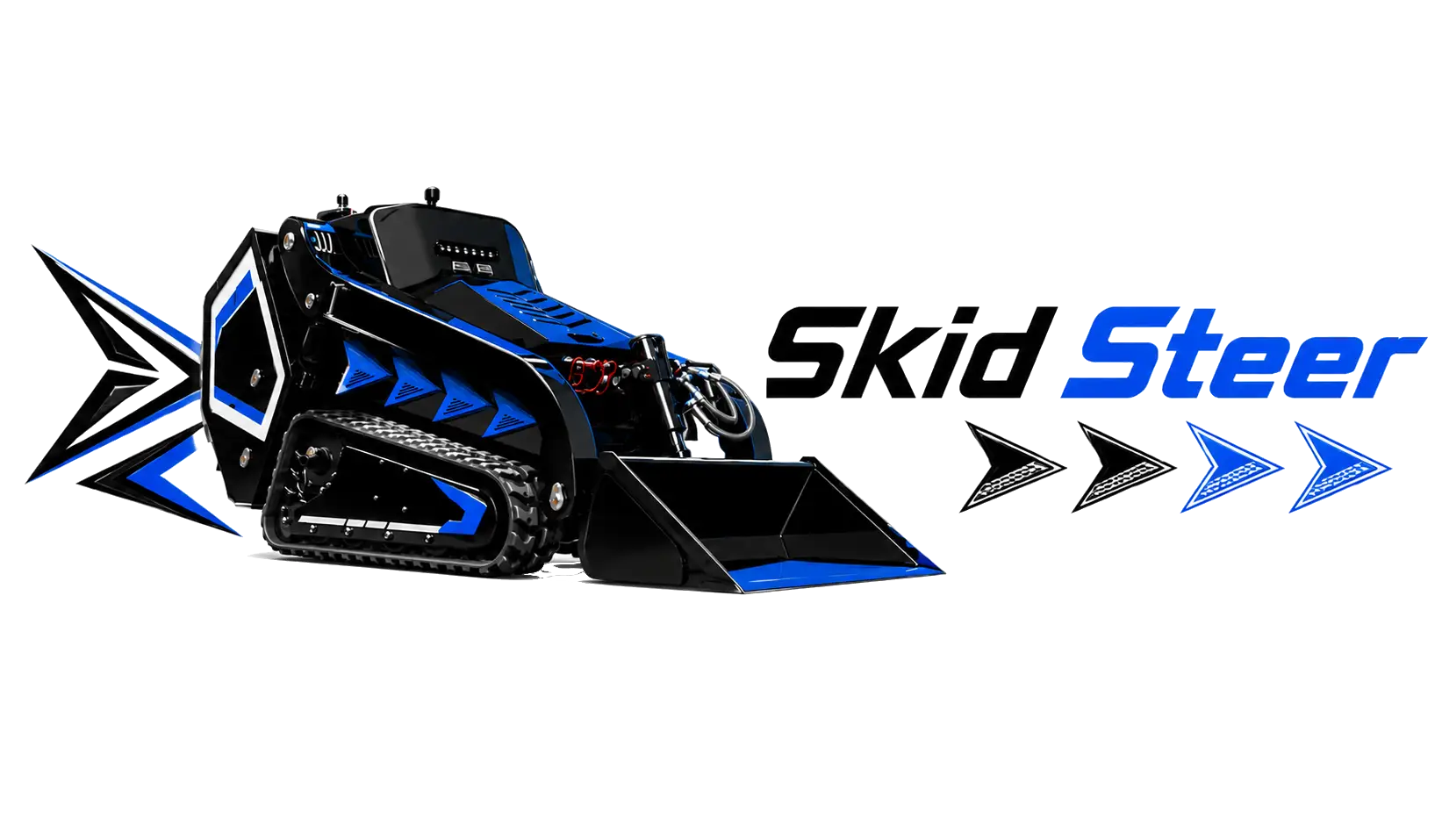
This jobsite project guide is written for landscapers, contractors, rental users, property managers, construction crews, farm operators, and homeowners planning work with a compact loader, mini skid steer, stand-on track loader, or compact utility loader. It is general enough for many machines, while using the TYPH X1300 only as a helpful example of a narrow stand-on compact loader designed for attachment work and tight-access jobs. The big idea is simple: choose the machine, attachment, route, and staging plan around the project instead of forcing the project to fit the machine.
Check gate width, doorway height, path slope, surface strength, turning room, overhead wires, tree limbs, and the loader's full length with attachment.
Place soil, mulch, gravel, pallets, debris containers, and tools where the loader can reach them without excessive backing or repeated tight turns.
Decide how the surface should look at the end: rough grade, fine grade, swept pavement, clean lawn edge, backfilled trench, or ready-to-plant bed.
Planning Checklist
The right loader setup depends on what the job needs. A backyard drainage project may need a bucket, trencher, grading tool, and careful turf protection. A hardscape project may need forks for pallets, a bucket for base material, and a clean route that avoids finished pavers. A brush clearing project may need a grapple, dump trailer, and clear separation between cutting, staging, and hauling zones. A cleanup project may need a bucket, sweeper, and designated debris pile.
Before work starts, walk the site with the operator. Mark underground utilities before digging, trenching, augering, or grading. Confirm the loader can reach the work area and exit safely. Decide where trucks, trailers, pallets, workers, customers, and pedestrians will be during operation. If the project requires a rental machine, make sure the selected attachments match the loader's hitch, hydraulic flow, weight capacity, width, and operator skill level.
Project Types
Move mulch, soil, sod, plants, edging, and debris through narrow access routes. Use careful staging to protect lawns, irrigation, and finished beds.
Use a trencher or bucket for drainage lines, conduit, irrigation, and backfill. Always locate utilities before digging and plan spoil placement.
Carry base material, remove spoil, stage pavers, and rough grade the site. Forks and buckets often work together on patio and walkway jobs.
A grapple or bucket can speed up storm cleanup, brush removal, demolition debris handling, and trailer loading when the work area is controlled.
Use an auger for post holes, forks for material staging, and a bucket for backfill. Confirm soil conditions and underground utilities first.
Move gravel, pallets, forms, debris, and cleanup material where full-size machines cannot fit. Keep travel routes separate from workers.
Use buckets, forks, sweepers, blades, and cleanup tools for seasonal work, facility upkeep, small repairs, snow, and material staging.
Move feed, bedding, soil, brush, fencing, small pallets, and cleanup material while respecting terrain, animals, and soft ground.
Plan machine delivery, attachment choice, operator training, route width, and return inspection before the rental clock starts running.
Jobsite Safety
A compact loader often works close to people, fences, vehicles, buildings, utilities, sidewalks, finished landscaping, and soft ground. Good planning reduces risk before the operator has to react. Keep the loader route clear, assign a spotter when visibility is poor, mark underground utilities, watch overhead hazards, control pedestrian access, and stop work when someone enters the operating area. Do not wait until the machine is loaded to discover the route is too narrow or the dump zone is blocked.
Workflow Strategy
Start by reducing travel distance. Put the material pile close enough to the work area to be efficient, but not so close that it blocks turning, delivery trucks, or final cleanup. If debris must leave the site, place the dump trailer or container where the loader can approach squarely and safely. If material must enter through a narrow gate, keep the route clean and avoid stacking tools, hoses, and pallets along the path.
Next, sequence attachments. For example, a drainage project may begin with trenching, then use the bucket for spoil handling and backfill, then finish with grading and cleanup. A landscape renovation may start with debris removal, move into soil placement, then switch to fine grading or sweeping. A hardscape job may use forks early for pallets and buckets later for base material. Planning attachment order reduces repeated changes and keeps the machine working instead of waiting.
For machines like the TYPH X1300, compact width and tracked traction can be especially useful on projects where access and surface impact matter. Still, the project plan should confirm machine width, attachment width, ground conditions, hydraulic needs, and final cleanup requirements. The loader is only one part of the workflow. The operator, route, attachment, staging plan, and safety setup decide how smoothly the job finishes.
Need to connect the project plan to other ownership decisions? Pair this page with the buying guide, attachment tool guide, operator tips, maintenance and repair guide, and compact loader FAQ.
FAQs
Check access width, overhead clearance, slopes, ground conditions, turning room, utilities, material staging, attachment needs, operator training, and safe loading or unloading areas.
It depends on the task. Buckets, forks, grapples, augers, trenchers, rakes, and sweepers all support different parts of landscaping work.
Use tracked machines where appropriate, avoid sharp turns, keep loads reasonable, plan clean routes, work in suitable weather, and consider mats for sensitive areas.
Stage materials close to the work, reduce backing, clear travel routes, sequence attachment changes, assign dump zones, and keep people away from the operating area.
Yes. The X1300 is a compact stand-on loader with narrow width and attachment capability, making it a useful example for tight-access landscaping, cleanup, and material-handling projects.
Share your access limits, material list, attachment needs, surface conditions, and project goal before the machine arrives.